Free shipping on orders over $299
$20 off Orders Above $200 - JOY20 |$35 off Orders Above $350 - JOY35 |$55 off Orders Above $500 - JOY55

0

Your Cart is Empty

Cremation Urns
Cremation Jewelry

12 Documents You Must Complete Before the End of Life

by Get Urns August 25, 2025 5 min read

Updated guide + checklist

Planning ahead isn’t morbid—it’s a kindness. A clear, simple end‑of‑life planning checklist gives your family the answers they’ll need during a difficult time. Below, you’ll find a practical overview of the 12 core documents most families should prepare, plus explanations and quick steps to complete each one.

Quick Checklist (12 Documents)

  1. Last Will & Testament
  2. Revocable Living Trust (optional but useful)
  3. Beneficiary Designations for Non‑Probate Assets
  4. Durable Financial Power of Attorney
  5. Durable Medical Power of Attorney (Health Care Proxy)
  6. Living Will / Advance Health Care Directive
  7. HIPAA Release (Medical Privacy Authorization)
  8. POLST and/or DNR Order (if appropriate)
  9. Funeral & Final Disposition Instructions (including cremation wishes)
  10. Organ & Tissue Donor Registration
  11. Digital Assets Plan (passwords, social media, crypto; name a Digital Executor)
  12. Pet Care Plan or Pet Trust

Last Will & Testament

  • What it does: Directs who inherits your property, names an executor, and can nominate guardians for minor children.
  • Why it matters: Without a will, state intestacy laws decide—often not how you’d choose.
  • How to do it: List your assets and beneficiaries, choose an executor + backup, and sign with the witnesses/notary your state requires. Review every 2–3 years or after major life changes.

Revocable Living Trust

  • What it does: Holds property during your lifetime and transfers it to beneficiaries without probate.
  • Why it matters: Can speed up settlement, maintain privacy, and provide incapacity management.
  • How to do it: Create the trust document, name a trustee + successor, fund the trust (retitle accounts/real estate). Unfunded trusts don’t help.

Beneficiary Designations (Non Probate Assets)

  • What it covers: 401(k)s, IRAs, HSAs, life insurance, some bank/brokerage accounts (POD/TOD).
  • Why it matters: These pass outside your will—whoever is on the form wins, even if your will says otherwise.
  • Action steps: Inventory all accounts, confirm primary + contingent beneficiaries, and update after marriages, divorces, births, or deaths

Durable Financial Power of Attorney

  • What it does: Authorizes a trusted agent to handle money/legal matters if you’re incapacitated.
  • Decisions covered: Paying bills, filing taxes, managing real estate, dealing with insurers/government.
  • Tip: Choose someone organized and financially responsible; set limits if desired.

Durable Medical Power of Attorney (Health Care Proxy)

  • What it does: Names the person who makes medical decisions if you cannot.
  • Conversation cues: Share your values around quality of life, pain management, and end‑of‑life care. Give your proxy copies of your documents.

Living Will / Advance Health Care Directive

  • What it does: Records your preferences on treatments like ventilators, feeding tubes, dialysis, and comfort‑focused care.
  • When it’s used: Typically after two clinicians determine you can’t make decisions.
  • Keep it practical: Use plain language and cover pain control, visitors, spiritual care, and where you prefer to receive care.

HIPAA Release (Medical Privacy Authorization)

  • What it does: Allows doctors and hospitals to share your health information with the people you name.
  • Why it matters: Without it, loved ones may be left in the dark in an emergency.
  • Best practice: Name your proxy, backups, and key family members; keep copies with your advance directive.

POLST and/or DNR (If Appropriate)

  • What they are: Clinician‑signed medical orders for people with serious illness or frailty. A DNR addresses CPR; a POLST covers broader interventions (CPR, intubation, hospital transfer, artificial nutrition).
  • When to consider: If you wouldn’t want aggressive, hospital‑based treatments at the end of life. Ask your clinician.

Funeral & Final Disposition Instructions (Cremation, Burial, or Other)

  • What to capture: Your preference for cremation or burial, service details (funeral vs. celebration of life), desired location for rests (interment, scattering), and any prepaid arrangements.
  • Why now: Families make these decisions quickly; leaving guidance reduces stress and guesswork.
  • Tip: Store this separately from your will (which is often read after services).

Organ & Tissue Donor Registration

  • What it does: Legally records your decision to donate organs/tissue.
  • Action steps: Register with your state donor registry and share your wishes with family; add a note in your advance directive.

Digital Assets Plan (Name a Digital Executor)

  • What to include: List of online accounts, password manager access, instructions for social media, cloud storage, loyalty points, and any cryptocurrency.
  • Why it matters: Protects privacy, prevents fraud, and ensures financial value isn’t lost.
  • Tip: Avoid listing passwords directly in your will; use a secure vault and reference it in your documents.

Pet Care Plan or Pet Trust

  • What it does: Names a caregiver and sets aside funds/instructions for your pets.
  • Why it matters: Pets are legally property and can’t inherit; a pet trust (allowed in all states) creates enforceable care and oversight.
  • Include: Food/med routines, vet info, behavior notes, preferred caregiver + backup, and funds source.

Where to Store Your End of Life Paperwork

  • Keep originals in a fire/water‑resistant safe at home; give copies to your executor/proxy and attorney.
  • Share the location and access details (key/code) with at least two trusted people.
  • Maintain a secure digital vault for scans, account lists, and your end of life planning checklist.

When to Review and Update

  • After major life events (marriage, divorce, birth, death, move, major diagnosis).
  • Every 2–3 years for beneficiary designations and powers of attorney.
  • Any time your wishes around how to prepare for death—care, comfort, or cremation—change.

FAQ's

Are funeral wishes in a will legally binding?

Usually no; treat them as guidance. Keep a separate, clearly labeled instructions document and tell your family where it is.

POLST vs. DNR—what’s the difference?

A DNR covers CPR only; a POLST covers broader treatments and must be signed by a clinician. Not everyone needs one—ask your doctor.

Do I need both a will and a trust?

Many families use a will only. A revocable living trust can add privacy and probate avoidance; it’s most helpful when you own real estate in multiple states or want more control.

What about guardianship for minor children?

Nominate guardians in your will and talk with them now about expectations and resources.

What happens if my beneficiary forms conflict with my will?

The beneficiary form wins. Keep those forms updated.

Gentle Reminder

Getting your end of life paperwork in order is one of the most loving gifts you can give your family

If you prefer cremation, consider noting any memorial preferences and the style of urn you’d like, from classic metal to handcrafted porcelain—so your loved ones can honor you in the way you envisioned.

This article is for general education and is not legal advice. State laws vary; consider consulting a qualified attorney or estate planner in your state.

PRODUCT TITLE

$10.0

PRODUCT TITLE

$10.0

PRODUCT TITLE

$10.0

PRODUCT TITLE

$10.0

Leave a comment

Comments will be approved before showing up.


Also in Blogs

colors of grief
What are the traditional colours of mourning in different countries?

by Taylor Evans December 04, 2025 4 min read

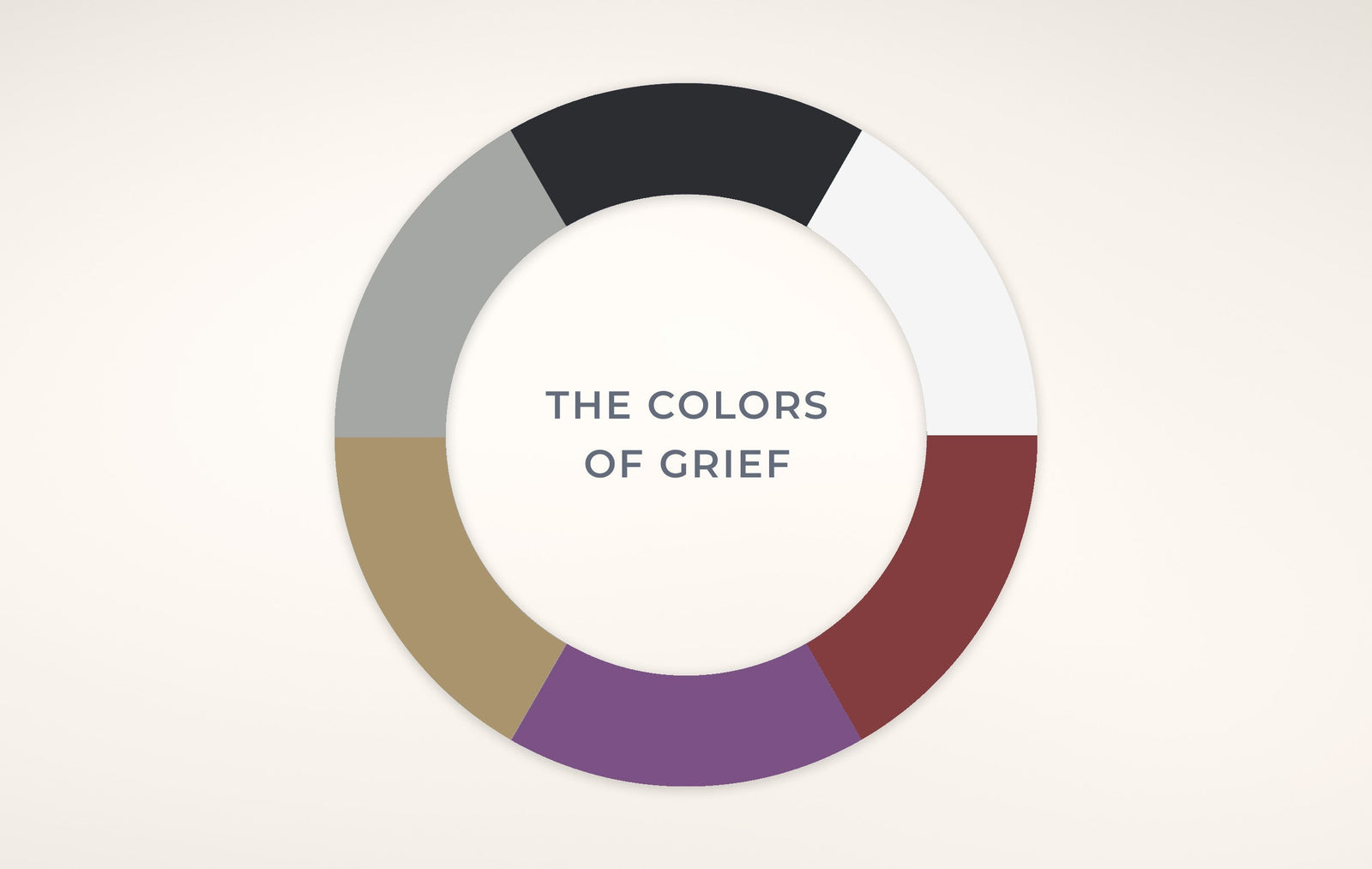
Mourning is a part of loss, and even when we're prepared for the loss, there's no way to predict how we'll mourn. Some people are resilient, while others will get lost in a sea of depression and grief when mourning. Colors represent mourning across the world. Just as you wear certain colors during a funeral, many choose certain cremation jewelry or pendants for ashes based on the colors of mourning.

Read Article
photo frame
Memorial Gift Ideas: Thoughtful Alternatives to Flowers for the Holiday Season

by Cameron Allahverdi December 03, 2025 5 min read

Read Article
What Grieving Does to Your Body: Understanding the Connection

by Alex Johnson November 24, 2025 4 min read

Read Article