Your Cart is Empty


Table of contents
The color blue is often associated with calmness, serenity, and peace. But there's more to it than just its aesthetic appeal. The color blue has profound psychological effects on the human mind, symbolizing everything from trust to grief. Whether in art, nature, or design, the meaning of the blue color touches our emotions in unique ways. This blog will explore the blue color meaning, what the color blue symbolizes, and its significance, especially in moments of grief and healing.
Blue, in color psychology, is often described as a calming and tranquil color. It’s no surprise that it’s frequently used in spaces meant for relaxation, like bedrooms and meditation rooms. Understanding the definition of the color blue helps to grasp its importance in both positive and negative contexts.
The calming nature of blue promotes feelings of peace and tranquility. It can lower blood pressure, slow the heart rate, and create a sense of security. This is why blue is often used in healthcare settings and is associated with health and healing.
While blue symbolizes tranquility and calm, it also has a deeper connection to spirituality. In many cultures, blue is seen as a color of protection. It’s often linked with heaven and the divine, invoking a sense of protection and a reminder of something greater than ourselves.
When experiencing grief or loss, the color blue can serve as a reminder of inner peace and the healing process. Blue is often used in memorial services or placed in memorial products, such as urns, to symbolize calm, eternity, and peace beyond the physical realm. It brings a sense of comfort, offering solace during tough times.
In moments of grief, the color blue can also represent the longing for tranquility amidst sorrow, as the grieving process is not just about mourning but about finding balance again. Blue is a powerful reminder that healing is a journey, where calmness and hope can eventually return.
In art and design, the color blue is used intentionally to evoke emotional responses. From the bright blue skies to the deep blue oceans, the color is universally associated with nature, vastness, and open spaces. This connection to nature helps to ground people, especially when dealing with difficult emotions like grief.
In funeral services or memorials, blue urns can bring comfort by symbolizing both the depth of the loss and the sense of peace that follows. The gentle hues of blue are soothing, acting as a visual representation of tranquility and hope for those grieving.
The emotional significance of blue is particularly relevant when choosing urns for loved ones. During memorial services, colors carry weight and influence the tone of the gathering. Blue, as a color of peace, is frequently chosen for urns because it represents the eternal, peaceful nature of the soul.
The meaning of the blue color in urns serves as a powerful reminder that although a loved one has passed, they are in a peaceful state. It symbolizes not just the memory of a person but also the calmness and acceptance that can follow grief.
The color blue encourages healing by promoting positive thoughts and allowing space for personal reflection. In the aftermath of loss, many people find comfort in the symbolism that blue brings. The significance of blue in the grieving process lies in its ability to invoke calm and tranquility, helping to soothe the emotional pain that accompanies such a profound experience.
The definition of the color blue varies depending on the context, but its power in the emotional landscape is undeniable. In times of grief, blue can symbolize the need for peace and serenity in the midst of emotional turmoil. It can guide people through their grieving journey, helping them find a sense of balance between sorrow and healing.
Ultimately, the color blue speaks volumes in moments of loss and transition. Its symbolism offers hope and comfort, encouraging healing while acknowledging the depth of grief.
In summary, the blue color meaning extends far beyond its physical appearance; it encompasses a deep, emotional significance tied to peace, spirituality, and healing. The color blue serves as a comforting presence for those who are grieving, offering solace during challenging times. Whether through memorial urns, art, or nature, the meaning of the blue color reminds us of the tranquility and peace that can eventually emerge from grief.
As you choose products like urns to commemorate loved ones, consider the soothing power of blue. Its calming influence can provide a subtle yet profound reminder of the healing process and the eternal peace that follows.
Comments will be approved before showing up.

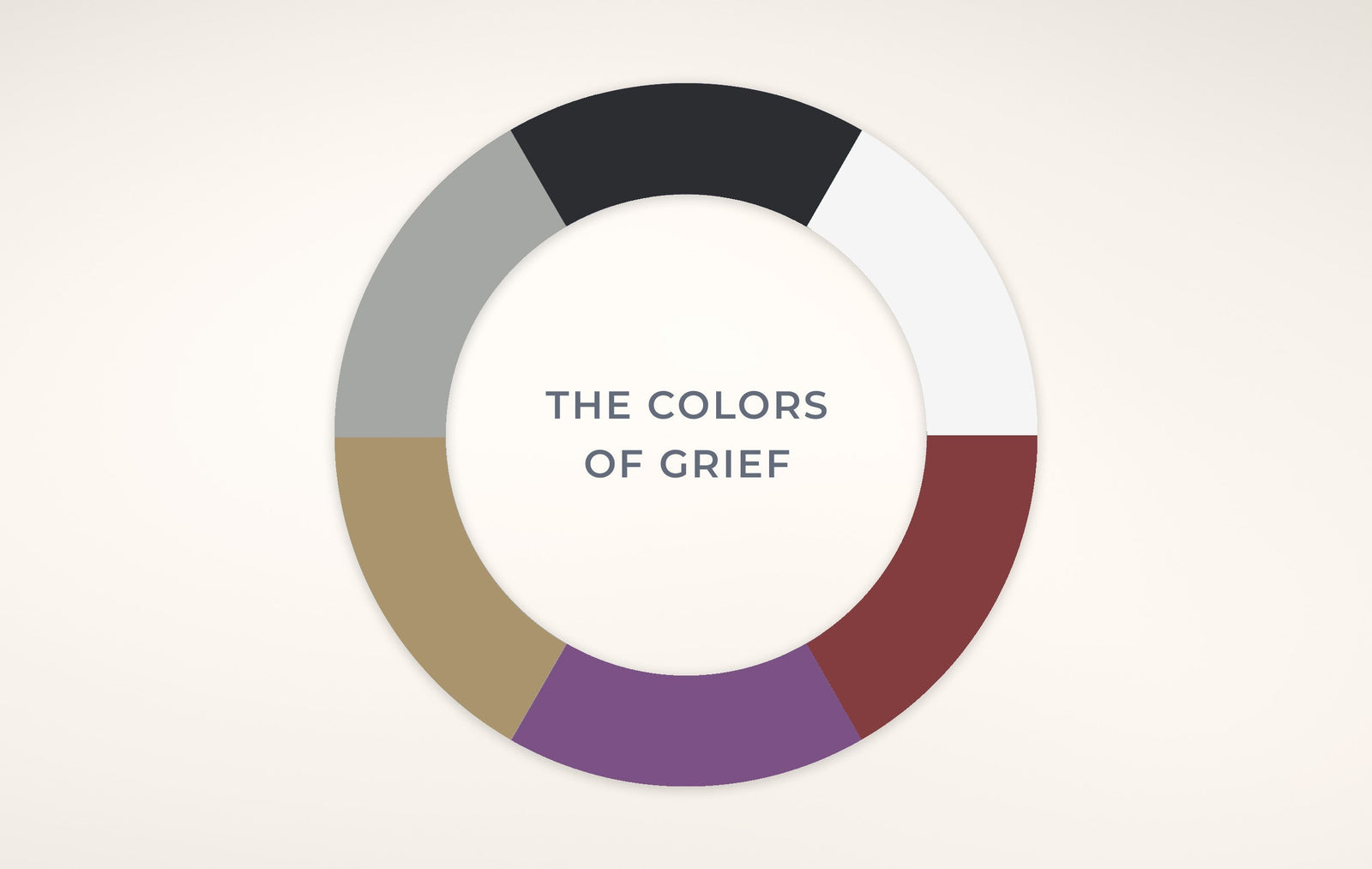
Mourning is a part of loss, and even when we're prepared for the loss, there's no way to predict how we'll mourn. Some people are resilient, while others will get lost in a sea of depression and grief when mourning. Colors represent mourning across the world. Just as you wear certain colors during a funeral, many choose certain cremation jewelry or pendants for ashes based on the colors of mourning.