Your Cart is Empty


Table of contents
Cremation urns are not legally required in most cases. After cremation, ashes are typically returned in a temporary container, and families can choose whether to transfer them into an urn, scatter them, or keep them in another type of memorial. The decision ultimately depends on personal preference, cultural practices, and long-term plans for the remains.
One of the most common concerns families have after choosing cremation is whether they are required to buy an urn. The simple answer is no, urns are not legally required in most regions.
Cremation laws are generally designed to ensure that remains are handled respectfully and safely. They do not dictate that ashes must be stored in a specific type of container. This means you have complete flexibility in deciding what to do next. You can keep the ashes in the temporary container, transfer them into a decorative urn, divide them among family members, or even scatter them in a meaningful place.
For many families, this flexibility is reassuring. It allows them to make decisions at their own pace, without feeling pressured to purchase something immediately during an already emotional time.
Although urns are not legally mandatory, there are certain situations where you may need one due to practical or institutional requirements.
For example, if you plan to bury the ashes in a cemetery, the cemetery may require not just an urn, but an urn vault, a protective outer container that surrounds the urn. This helps maintain the integrity of the ground and prevents it from collapsing over time.
Similarly, if you are placing the ashes in a columbarium niche, you will need an urn that fits within the specific dimensions of that space. Columbaria often have strict size and material guidelines to ensure uniformity and safety.
In some cases, transporting ashes, especially by air, may also require a secure, sealed container that can pass through security checks. While this doesn’t always mean a traditional urn, it does mean the container must meet certain standards.
So while the law doesn’t require an urn, your chosen method of memorialization might.
After the cremation process is complete, the ashes are carefully collected, processed, and returned to the family. At this stage, they are not placed in a decorative urn right away. Instead, they are provided in what is known as a temporary container.
This container is usually:
The purpose of this container is to safely hold the ashes until the family decides what to do next. Some families use it only briefly before transferring the ashes, while others may keep it for a longer period.
Importantly, there is no time limit. You are not required to make an immediate decision. Many families take days, weeks, or even months before deciding on a permanent memorial.
Even though an urn isn’t required, there are several situations where choosing one becomes meaningful or even necessary.
If you plan to keep your loved one’s ashes at home, an urn provides a more permanent and dignified solution than a temporary container.
Over time, many families find comfort in having a dedicated place where they can remember their loved one. An urn can become part of a small memorial space, often placed alongside photographs, candles, or personal items. It transforms the ashes from something stored away into something honored and present in daily life.
If burial is your chosen option, an urn often becomes essential not just for presentation, but for protection.
Most cemeteries require ashes to be placed in an urn before burial, and many also require an urn vault. This ensures the ground remains stable and that the ashes are preserved respectfully over time.
Choosing a durable urn made of materials like metal, ceramic, or hardwood is especially important in this case, as it needs to withstand environmental conditions.
Columbaria are specifically designed to hold urns, so using one is typically unavoidable in this setting.
Each niche has fixed dimensions, meaning the urn must fit precisely. Some facilities also have rules about materials or design. Because of this, selecting the right urn is not just about aesthetics, it’s about ensuring compatibility with the space.
Even if you’re not displaying or burying the ashes immediately, an urn can still be a wise choice for long-term storage.
Temporary containers are not designed to last forever. Over time, they can weaken or become damaged. An urn, on the other hand, is built for durability and can protect the ashes from moisture, accidental spills, or environmental exposure.
For families who want to preserve ashes for years or even generations, an urn offers peace of mind.
Choosing not to use a traditional urn doesn’t mean you have fewer options. In fact, many families today are exploring alternative ways to honor their loved ones.
Keepsake urns are smaller versions of traditional urns that hold only a portion of the ashes. They are especially meaningful for families who want to share the remains among several people. Each person can keep a small part, creating a shared sense of remembrance.
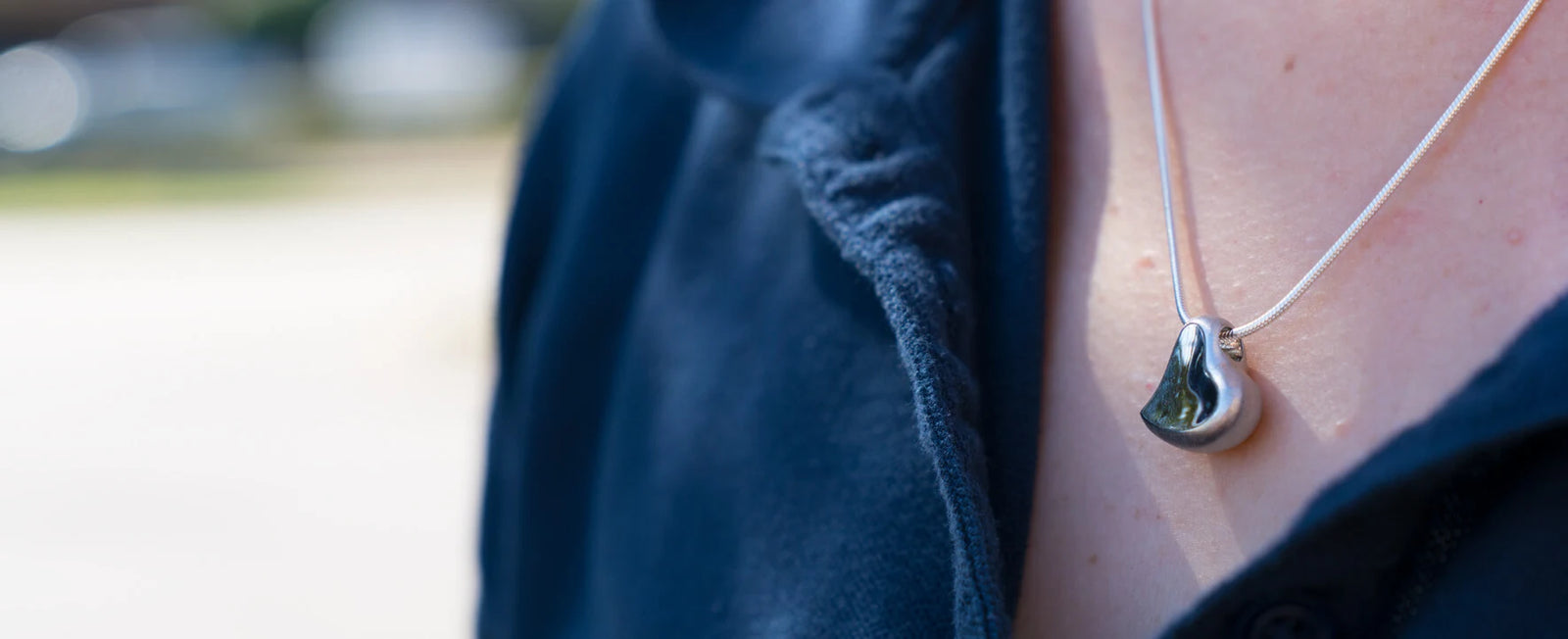
Cremation jewelry offers a more personal approach. These pieces, such as necklaces, rings, or bracelets, hold a tiny amount of ashes and allow you to carry your loved one with you wherever you go. For many, this provides a unique sense of closeness and comfort.
Some families choose to scatter the ashes in a place that held special meaning, such as a favorite park, beach, or mountain.
This option doesn’t require a permanent urn, although a temporary or scattering container is often used during the process. It’s important to check local regulations before scattering, as rules can vary.
For those seeking an environmentally friendly option, biodegradable urns are a thoughtful choice. These are designed to break down naturally over time and are often used for burial or water ceremonies.
They allow the ashes to return to nature in a gentle and symbolic way.
Even though you are not required to have an urn, many families ultimately decide to get one, and not because they have to, but because they want to.
An urn offers:
For many people, having something tangible makes the process of grieving a little easier. It provides a connection that feels both real and lasting.
There is no single “correct” way to handle cremated remains. What matters most is choosing an option that feels meaningful and respectful to you and your family.
Some people find comfort in a traditional urn, while others prefer scattering or alternative memorials. Your decision can be based on emotional, practical, or even cultural factors, and it can evolve.
Cost is another important factor, especially during a time when families may already be dealing with funeral expenses.
The good news is that:
From simple and affordable designs to more elaborate, handcrafted pieces, there is something for every budget. Alternatives like keepsake urns and cremation jewelry can also provide meaningful options at lower costs.
If you decide that an urn is the right choice, there are many options available to suit different preferences and needs.
You might consider:
Exploring these options can help you find something that truly reflects your loved one’s memory and your relationship with them.
If you’re unsure whether to choose an urn, it helps to think about your long-term intentions.
Ask yourself:
Taking the time to reflect on these questions can help you make a decision that feels right, not just now, but in the future.
No, you do not have to buy an urn after cremation. In most cases, ashes are returned in a temporary container provided by the crematorium. Families can choose to keep the ashes in that container, transfer them into an urn, or select another memorial option based on their preferences.
Yes, ashes can remain in the temporary container they come in. However, these containers are usually made of cardboard or plastic and are not designed for long-term durability. Many families eventually choose an urn for better protection, appearance, and peace of mind.
If you choose not to use an urn, there are several alternatives. Ashes can be scattered in a meaningful location, buried in the ground, divided into keepsakes, or stored in another container of your choice. The decision depends entirely on your plans and personal beliefs.
Urns are sometimes required for burial, depending on cemetery rules. Many cemeteries require an urn vault or a specific type of container to ensure the ground remains stable over time. It’s important to check with the cemetery before making arrangements.
Yes, it is completely okay not to have an urn. There is no legal or universal requirement to use one. The choice depends on what feels meaningful and practical for you and your family, whether that involves keeping, scattering, or sharing the ashes.