Your Cart is Empty


Table of contents
Display urns and burial urns serve the same purpose, holding cremated ashes, but they are designed for completely different environments.
Display urns are made to be kept at home as a visible memorial, focusing on beauty and emotional connection. Burial urns, on the other hand, are designed to be placed in the ground or a columbarium, where strength, sealing, and protection matter most.
Choosing between them depends on one key question:
Will the urn stay in a home, or will it be buried?
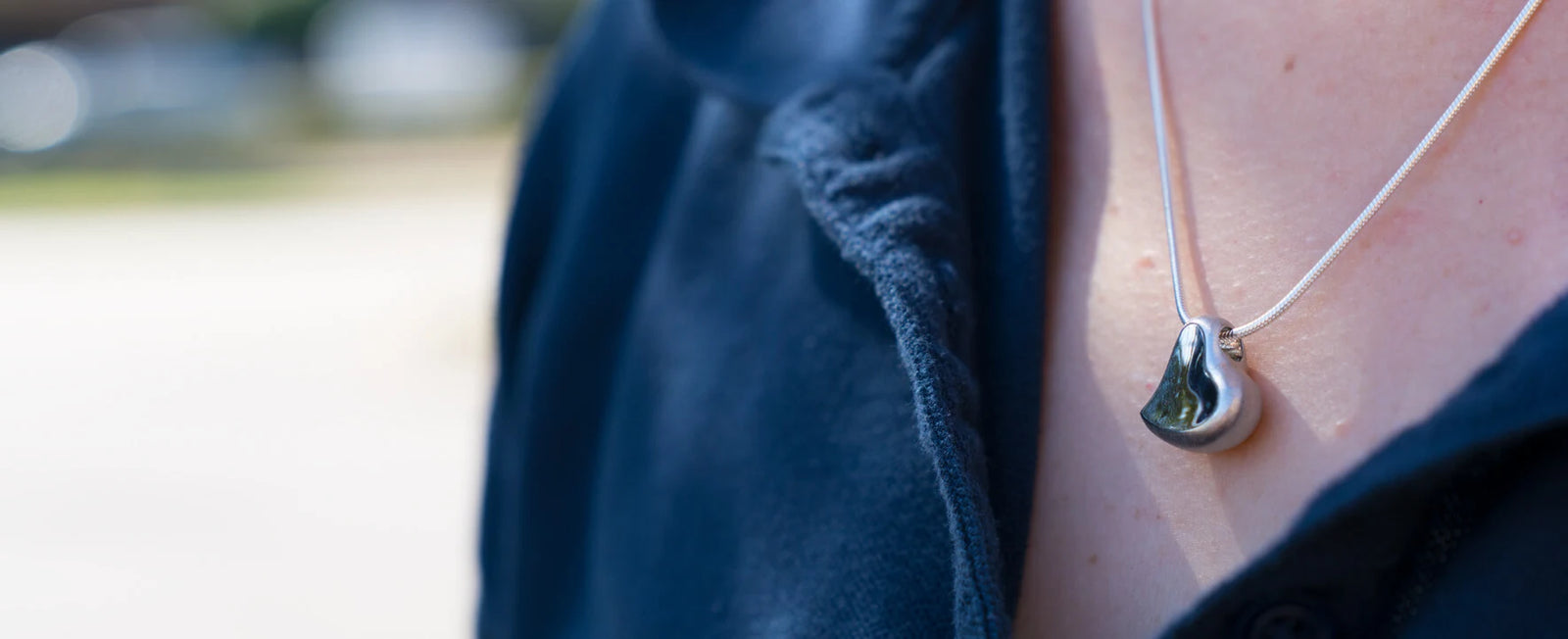
A display urn is a container designed to keep cremated ashes in a home or indoor space where they can be seen and remembered daily. The main purpose of a display urn is not long-term burial, but creating a personal and meaningful memorial at home.
These urns are often chosen by families who want to keep their loved one close in a visible way. Because of this, display urns focus more on appearance, emotional value, and personalization rather than heavy-duty protection.
They are commonly designed to blend into home interiors while still standing out as a meaningful tribute.
Display urns are made to be visually meaningful and emotionally comforting.
These features make display urns feel more like a memorial piece than a traditional container.
Display urns are best suited for situations where ashes are kept close and visible.
A burial urn is specifically designed for placing cremated ashes into the ground or inside a cemetery niche (columbarium). Unlike display urns, its primary purpose is long-term protection and durability in outdoor or underground environments.
These urns are built to withstand soil pressure, moisture, and environmental changes over time, ensuring the ashes remain safely preserved after burial.
Burial urns are commonly used when families choose a permanent resting place in a cemetery.
Burial urns are focused on strength, protection, and security.
These features help ensure long-term stability underground.
Burial urns are chosen when ashes are intended for permanent placement outside the home.
| Feature |
Display Urn | Burial Urn |
| Purpose |
Designed for home memorials and indoor remembrance spaces |
Designed for cemetery burial or columbarium placement |
| Design |
Decorative, artistic, and visually expressive | Simple, strong, and built for protection |
| Materials |
Wood, ceramic, glass, resin |
Metal, stainless steel, bronze, stone |
| Durability | Suitable for indoor use only, not built for burial conditions | Built to withstand soil pressure, moisture, and long-term underground conditions |
| Visibility |
Always visible as part of a home memorial | Hidden after burial in the ground or a niche |
| Main Focus |
Emotion, personalization, and aesthetics | Safety, sealing, and long-term preservation |
Display urns are best for families who want a visible, decorative memorial at home, while burial urns are designed for long-term protection in cemeteries or burial sites. The choice mainly depends on whether the ashes will stay in a home environment or be placed in a permanent resting location.
A display urn can sometimes be buried, but it is generally not the ideal choice. These urns are mainly designed for indoor use, so they are not built to withstand underground conditions like soil pressure, moisture, and long-term environmental changes.
In some cases, burial may still be possible if the urn is placed inside an urn vault, which provides an extra layer of protection. However, even with a vault, display urns made from fragile materials such as ceramic, glass, or lightweight wood may still be vulnerable to damage over time.
For this reason, when a burial is planned, a purpose-built burial urn is usually recommended for better durability and long-term protection.
Yes, a burial urn can be kept and displayed at home if the family chooses, even though it is primarily designed for cemetery use. Many people do this when they are waiting for final arrangements or prefer to keep the urn in a private space.
However, burial urns are usually made with durability in mind rather than decoration, so they may look simpler or more utilitarian compared to display urns. They often have a plain or formal design and focus more on function than aesthetics.
Even so, a burial urn can still serve as a respectful temporary or permanent memorial at home, especially if simplicity and tradition are preferred over decorative appearance.
In many cases, a vault is required when burying an urn in a cemetery. An urn vault is a protective outer container that holds the burial urn inside it before being placed in the ground.
The main purpose of an urn vault is to protect the urn from soil pressure, moisture, and long-term ground conditions. Without it, the urn could gradually become damaged, or the ground above it may sink over time.
However, urn vault requirements are not the same everywhere. Some cemeteries make it mandatory, while others may allow burial without one, depending on their rules and the type of urn being used.
Choosing between a display urn and a burial urn depends mainly on where the ashes will be kept and the type of memorial you want. One is meant for home remembrance, while the other is designed for cemetery burial and long-term protection.
If you’re not completely sure whether the ashes will be kept at home or buried, it’s better to choose a flexible option first rather than rushing into a permanent decision.
This approach helps reduce pressure during an emotional time and allows decisions to be made gradually.
Yes, the material of an urn is very important because it directly affects durability, appearance, and suitability for its purpose.
Choosing the right material ensures the urn matches its intended use, either long-term protection underground or meaningful display at home.
Display urns are designed for keeping ashes at home and focus on decorative appearance and personalization. Burial urns are built for long-term placement in the ground or a columbarium, focusing on durability, sealing, and protection.
Not all urns are suitable for burial. Display urns made from fragile materials like glass, ceramic, or thin wood may not withstand soil pressure or moisture and may require an urn vault for protection.
Yes, most burial urns are designed with secure sealing systems such as screw lids or threaded closures to protect ashes from moisture, soil, and long-term environmental exposure.
Yes, a burial urn can be kept at home. However, it is usually simpler and less decorative than a display urn since it is primarily designed for cemetery use.
Some cemeteries have specific requirements, especially regarding urn vaults and burial-grade materials. Rules vary, so it is important to confirm with the cemetery before burial.
Choosing between a display urn and a burial urn is both an emotional and practical decision, as it reflects how you want to remember your loved one.
Both options are meaningful and simply represent different ways of honoring and remembering a loved one.
At GetUrns, we understand that choosing an urn is both a practical decision and an emotional one. The right choice depends on how you plan to honor and remember your loved one over time.
Taking these factors into account helps ensure you choose an urn that is both practical and emotionally meaningful, creating a lasting tribute that feels right for your family.