Your Cart is Empty


Choosing the right urn size is based on a simple guideline: 1 cubic inch of space per pound of body weight before cremation. Most adults require a standard urn of about 200 cubic inches, though selecting a slightly larger size is recommended for comfort. Urn capacity is measured by volume, not weight, since cremated remains take up space regardless of their reduced weight. Options range from full size adult urns to companion urns for two people and smaller keepsake urns for sharing ashes. When in doubt, choosing a larger urn ensures all remains fit properly and avoids the need for additional containers.
Table of contents
A standard adult urn holds approximately 200 cubic inches of ashes. A common rule of thumb is 1 cubic inch of urn space per pound of body weight before cremation. For example, someone who weighed 180 pounds would typically require an urn with at least 180 cubic inches of capacity to hold all cremated remains.
When choosing an urn, one of the first things you'll notice is that capacity is measured in cubic inches. This measurement helps determine how many cremated remains the urn can safely hold.
Cubic inches refer to the internal volume of an urn, not its external size. It represents the amount of space available inside the urn for holding ashes.
Urns are measured this way because cremated remains are measured by volume rather than weight. Many people assume ashes will weigh a lot, but the key factor for urn selection is how much space the remains occupy, not how heavy they are.
This sometimes causes confusion because cremated remains may weigh only a few pounds but still require a relatively large urn to store them comfortably.
Funeral professionals often recommend a simple guideline:
1 pound of body weight before cremation = 1 cubic inch of urn capacity.
Cremation typically reduces body weight by about 60–70 percent, leaving primarily bone fragments that are processed into cremated remains. Even though the weight decreases significantly, the remaining bone material still requires adequate volume, which is why the cubic inch rule works well for estimating urn size.
For example:
120 lb person → 120 cubic inch urn
180 lb person → 180 cubic inch urn
200 lb person → 200 cubic inch urn
When possible, choosing a slightly larger urn is always recommended.
Different types of urns are designed for different purposes. Some hold the entire amount of ashes, while others are made for sharing smaller portions among family members.
Urn Type |
Capacity |
Typical Use |
Adult Urn |
200–220 cubic inches |
Most adults |
Keepsake Urn |
3–50 cubic inches |
Small portion of ashes |
Companion Urn |
350–400 cubic inches |
Two people |
Child Urn |
25–180 cubic inches |
Based on child's weight |
Pet Urn |
Varies |
Based on pet weight |
The standard adult urn capacity of about 200 cubic inches works for the majority of individuals.
Choosing the right urn size is easier when you estimate based on the person's body weight before cremation.
Suppose someone weighed 150 pounds before cremation.
Using the guideline:
150 pounds → 150 cubic inches minimum urn capacity
In this case, selecting an urn with at least 150 cubic inches will safely hold the remains. Many families still prefer choosing a 200 cubic inch urn to allow a little extra space.
For individuals who weigh over 200 pounds, selecting a larger urn is recommended.
Most funeral professionals suggest 220 cubic inches or more for added flexibility. A slightly larger urn ensures that the ashes fit comfortably without needing an additional container.
Companion urns are designed to hold the ashes of two individuals together, often used by couples who wish to remain together after passing.
These urns typically hold 350–400 cubic inches.
To estimate the size needed, simply combine the pre-cremation weights:
Example:
Person 1: 160 pounds
Person 2: 150 pounds
Total = 310 cubic inches minimum
A 400 cubic inch companion urn would be ideal in this scenario.
Keepsake urns are much smaller than traditional urns. They usually hold between 3 and 50 cubic inches of ashes.
These urns are designed to store a symbolic portion of cremated remains, not the entire amount.
Families often choose keepsake urns when:
Multiple family members want a personal memorial
Ashes are being shared among relatives
A portion of the ashes is kept after scattering
Keepsake urns allow loved ones to maintain a meaningful remembrance while the primary urn holds the majority of the remains.
Choosing the wrong size urn is a common concern, but it’s rarely a serious issue.
The safest approach is always to select a slightly larger urn than the estimated requirement. Extra space inside an urn does not affect its appearance or function.
If the urn is smaller than expected, the remaining ashes can usually stay in the temporary container provided by the funeral home. Most funeral homes supply a basic plastic container that holds around 200 cubic inches of cremated remains.
This gives families flexibility while deciding on a permanent memorial.
While the 1 cubic inch per pound rule works well, it's important to understand that ash volume can vary slightly from person to person.
Several factors influence the amount of cremated remains produced, including:
Bone density
Height and skeletal structure
Age and body composition
For example, two individuals who both weigh 200 pounds may produce slightly different ash volumes depending on their bone structure. Taller individuals with larger skeletal frames may produce slightly more cremated remains.
This is another reason why choosing a larger urn when unsure is generally recommended.
Here is a simple guide to help estimate urn capacity quickly:
100 lbs → 100 cubic inches
150 lbs → 150 cubic inches
200 lbs → 200 cubic inches
250 lbs → 250+ cubic inches
Tip: When in doubt, choose a larger urn size to ensure the ashes fit comfortably.
Selecting the right urn begins with determining the appropriate capacity. Once you know the correct size, you can focus on choosing a style, material, or design that reflects your loved one’s personality or memory.
It’s important to remember that urn materials such as metal, wood, ceramic, or marble do not affect capacity. What matters most is selecting the correct volume to hold the remains comfortably.
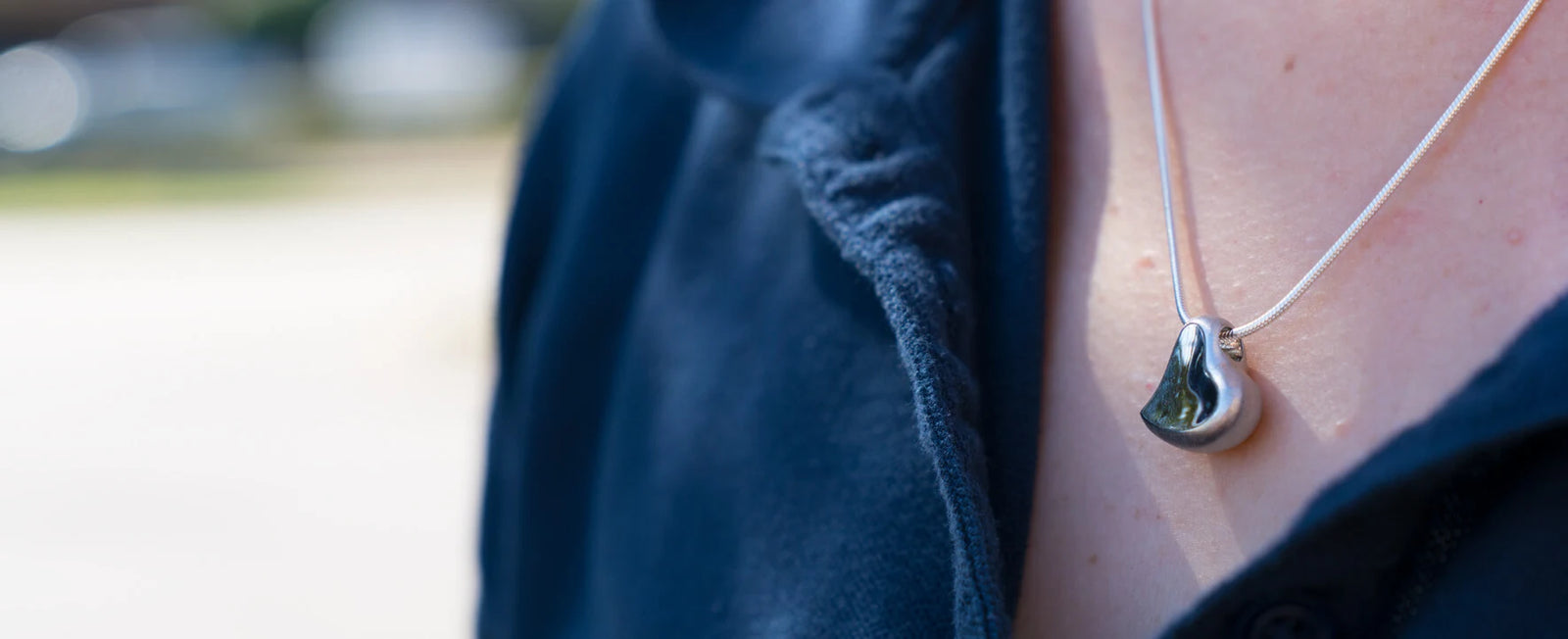
Many families begin by exploring adult urn collections for full remains or keepsake urns if they plan to share ashes among loved ones.
Taking the time to choose the right urn can provide comfort and create a meaningful way to honor and remember someone special.
Cremated remains from an adult typically weigh between 3 and 7 pounds, depending on bone density and body structure.
Cremated remains usually equal about 3.5% of a person’s original body weight before cremation.
Yes. Companion urns are specifically designed to hold the ashes of two individuals and usually have a capacity of 350–400 cubic inches.
Cremated remains are heavier than many people expect because they consist mainly of processed bone fragments rather than soft ash.
Comments will be approved before showing up.