Your Cart is Empty


Filling a cremation urn is a personal and meaningful process that requires care and preparation. This guide explains how to transfer ashes safely and respectfully, avoid mess, choose the right tools, and place the urn in a meaningful location.
Filling a cremation urn is a deeply personal and meaningful process. Whether you choose to do it yourself or seek professional help, it’s important to approach this task with care and respect. In this guide, we’ll walk you through how to fill a cremation urn step by step and provide tips on ensuring a clean and smooth process.
Filling an urn for ashes requires a bit of preparation and attention to detail. Here’s a step-by-step guide on how to do it:
Prepare Your Workspace: Set up a clean, flat, and stable surface in a well-lit area. Ensure there’s no wind, as it can scatter the ashes. Lay down a towel, newspaper, or disposable cloth to catch any stray ashes and prevent the urn from sliding.
Gather Your Supplies: You’ll need a large funnel (or a rolled piece of paper), scissors, and a dry cloth to wipe the urn. You may also want a dust mask and gloves to protect yourself from inhaling fine ash particles.
Choose the Right Container: If you’re using temporary containers, such as the bag that holds the ashes, make sure it's sealed tightly. If you’re filling small urns for ashes or a motorcycle urn, be sure the urn is wide enough to accommodate the transfer process.
Open the Cremation Urn: If you’re using a traditional urn for ashes, remove the lid and ensure the opening is wide enough to allow easy access for the ashes.
Transfer Ashes:
Bag Transfer: The simplest method is to open the urn and check that the opening is large enough to fit the plastic bag. Gently lift the bag from the temporary container and lower it into the urn. This method is cleaner and prevents mess, keeping the metal ID tag secure with the ashes.
Direct Pouring: For direct pouring, place a funnel in the urn’s opening and cut a small corner of the original bag to create a controlled pour spout. Slowly pour the ashes into the funnel, pausing frequently to let them settle. Always leave about half an inch of space at the top to ensure the lid can close properly.
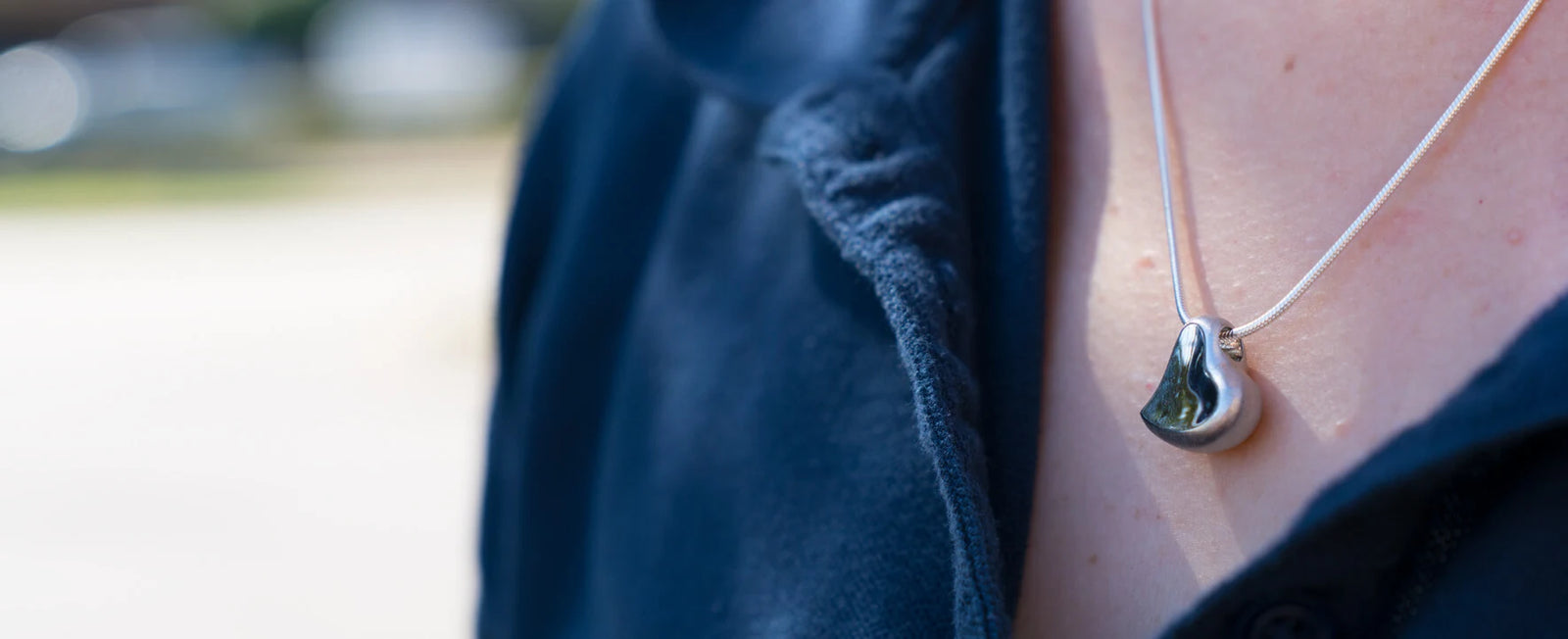
Filling Keepsakes or Jewelry: If you’re transferring ashes into keepsakes or jewelry, use a small funnel or folded paper to carefully guide the ashes into the item. You can use a small spoon or scoop to fill the item, ensuring no ashes are left behind in the threads. Clear any residue with a toothpick before closing the keepsake.
The placement of a cremation urn depends on personal preference, cultural practices, and available space. Many people choose to display the urn in their home as a way to honor their loved one. Common places to keep an urn include:
A Mantel or Shelf:A common choice for families who want the urn to be displayed prominently in their home.
Home Office or Personal Space: Some prefer placing the urn in a personal space where they can feel a connection to their loved one.
Cemetery or Memorial Garden: If you’re opting for a more formal memorial, some choose to place the urn in a designated spot in a cemetery or memorial garden.
Regardless of where the urn is placed, it's important to choose a location that feels meaningful and provides a sense of peace.
The type of container you use to transfer ashes into a cremation urn depends on the urn itself. For small urns for ashes, a simple funnel or a rolled piece of paper works best. For larger urns, a sturdy plastic bag or resealable bag is often used for easier pouring. Wooden urns typically have wider openings, making the transfer process more straightforward.
For unique urns like motorcycle urns, you may need a smaller funnel or tool that fits the design and size of the urn. Always ensure that the temporary container you choose can securely hold the ashes and allow for an easy transfer.
To avoid a mess while transferring ashes into your cremation urn, follow these steps:
Use a Funnel: A funnel is an essential tool to guide the ashes directly into the urn without spilling. For small urns for ashes, make sure to use a small funnel that fits the urn's opening.
Slow and Steady Pouring: Whether you’re using a bag or a funnel, pour the ashes slowly and steadily. This will help control the flow of the ashes and minimize spillage.
Cover the Work Surface: Lay down a towel, newspaper, or disposable cloth beneath the urn to catch any stray ashes that might fall.
Work in a Controlled Environment: Perform the filling process indoors or in a calm environment where wind or air flow won’t disturb the ashes.
Cleaning your urn-filling tools before and after use ensures a smooth and hygienic process. Here’s how:
Before Use: Wipe down the funnel, scissors, or any other tools with a clean, dry cloth to remove any dust or debris.
After Use: Carefully clean the funnel, tools, and work surface with a damp cloth. If necessary, use a mild detergent to clean the tools and make sure they are completely dry before storing them.
Filling a cremation urn, whether it’s a traditional urn for ashes or a unique motorcycle urn, is an important and personal experience. Taking the time to properly prepare your workspace, choose the right container, and use the proper tools ensures a smooth, respectful process. Whether you choose to fill the urn yourself or enlist professional assistance, honoring your loved one’s memory with care and attention will make this task a meaningful and peaceful moment.