Your Cart is Empty


Table of contents
Remembering a loved one at Thanksgiving can be as simple as saying their name, serving one of their recipes, displaying a photo, or taking a quiet moment before the meal. The most supportive choice is one the family discusses beforehand, with no expectation that everyone must speak, participate, or feel the same way.
The empty place at a Thanksgiving table can be noticeable even when nobody mentions it. A familiar voice is missing from the kitchen. A recipe has no one standing nearby to correct it.
A story begins, and everyone knows who would have told it best. Some families want to acknowledge that absence openly. Others worry that bringing it up will make the day harder. Both responses can come from care. Remembering someone at Thanksgiving does not require a formal ceremony, and it does not have to ask more of anyone than they can give.
A small, agreed-upon gesture can make room for the person who died while leaving room for the living people at the table, too.

Before choosing an activity, decide how much space the remembrance should take within the day. A recent death may make the whole gathering feel different. In another family, the loss may have happened years ago, but Thanksgiving still brings one person sharply to mind. The right scale depends on the people attending, not on how much time has passed.
There are three useful levels to consider:
None is more loving than another. The most considerate plan is the one that fits the family’s emotional capacity that day.
A remembrance can feel supportive when people know it is coming and uncomfortable when it is introduced as a surprise. If the loss is recent, check with the people most directly affected before setting an empty chair, arranging a memorial table, or asking everyone to speak.
The conversation can be brief:
That wording gives the other person something specific to respond to. It also leaves space for a different idea. Someone may like the recipe but not a toast. Another person may want a photo in the room but find an empty chair too painful. A child may want to draw a picture but not speak in front of relatives.
When family members disagree, choose the least demanding shared option and let individuals add private rituals of their own. Thanksgiving does not need to settle every difference in how people remember.

The ideas below can stand alone. A family does not need to combine them all. One sincere detail is often enough.
Food carries family history without requiring a speech. You might prepare a dish the person always made, use a recipe in their handwriting, or bring back something that disappeared from the menu after they died.
It is fine if the result is not exactly the same. The point is not to reproduce the dish perfectly. It is to let a familiar flavor open the door to a story: why they insisted on a certain ingredient, who was allowed to help, or what happened the year the oven stopped working.
If the original recipe is fragile, photograph or scan it before cooking. A printed copy can stay in the kitchen while the original remains protected.
A host can acknowledge the person in one or two sentences before the meal. For example:
This approach names the loss without requiring a response. Avoid asking everyone to go around the table unless the group has agreed to it beforehand. For some guests, listening is the most comfortable form of participation.
A framed photograph can sit on a sideboard, mantel, or small table near the gathering. It does not have to occupy an empty place setting. Choose an image that brings the person into the room as they were in life: cooking, laughing, traveling, or sitting with family.
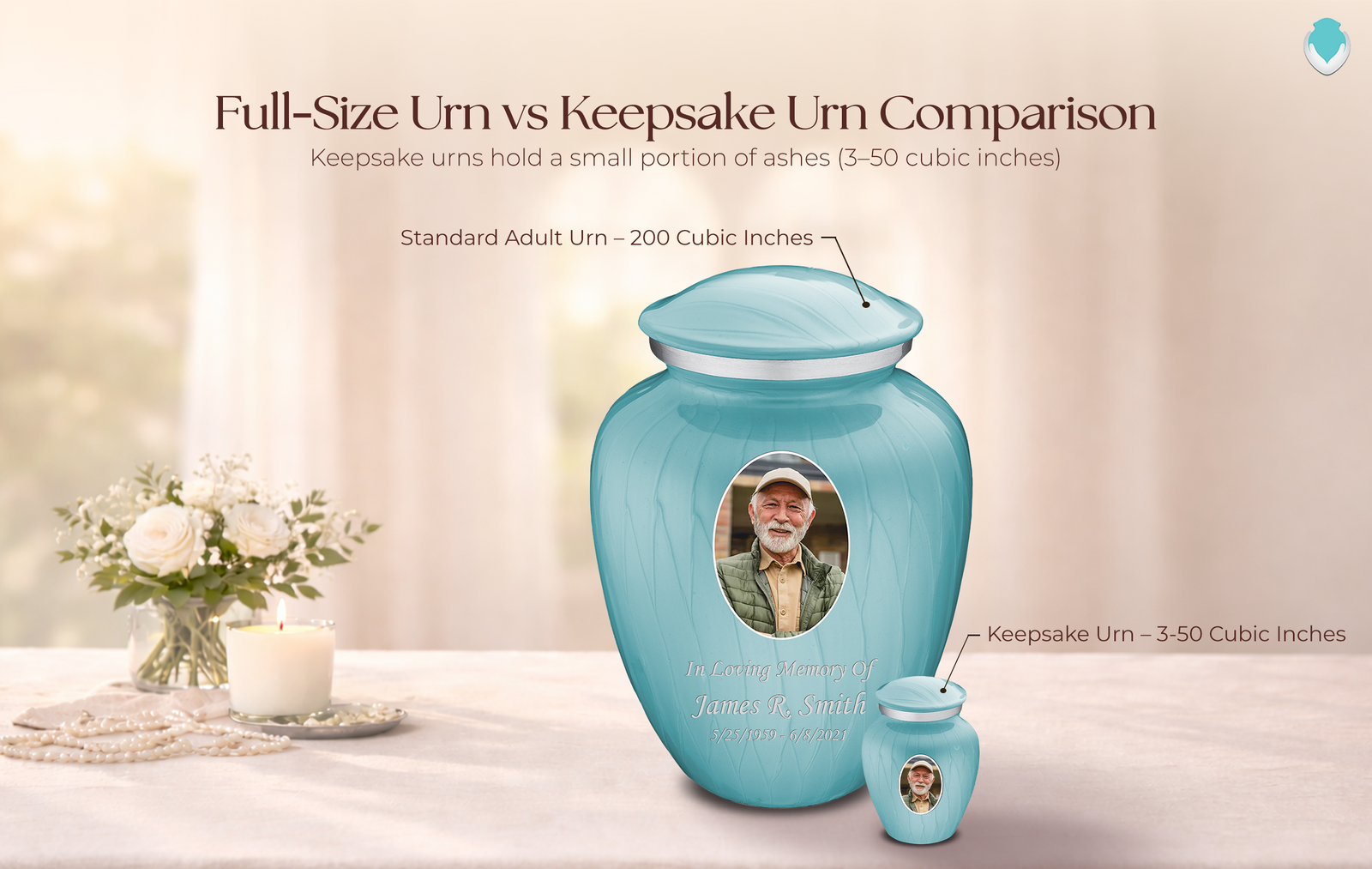
If an urn is already part of a home memorial, it may remain where it normally rests. There is no need to move it to the dining table for the remembrance to count. A familiar memorial can provide a quiet point of connection without becoming the center of the meal.
Instead of asking for speeches, leave small cards where guests can write a memory, a phrase the person used, or something they learned from them. The cards can be read later by anyone who wants to, collected in a box, or added to a family album.
Children may prefer drawing to writing. Guests should also be free to leave the card blank. An invitation remains gentle only when declining it is easy.
The most recognizable remembrance may be something the family already did: watching the same parade, using particular serving dishes, taking a walk after dinner, playing cards, or sending leftovers home in mismatched containers.
Continuing a tradition does not mean the holiday must remain unchanged forever. Families can keep one element, alter another, and let new customs develop. Remembering someone and adapting to life without them can happen at the same table.
If the person was known for helping others, the family might donate a meal, bring food to a neighbor, support a cause they valued, or invite someone who would otherwise be alone. Keep the action proportionate to the day. A small contribution can be more realistic than organizing a large annual project.
You can tell the family what you are doing or keep it private. The meaning does not depend on public recognition.
One person may want to tell stories all afternoon. Another may become quiet when the name is spoken. Someone may laugh at a memory and feel guilty a moment later. A child may move in and out of the conversation without warning. These responses do not measure how much anyone loved the person who died.
Build flexibility into the gathering:
The first holiday may bring practical uncertainty as well as emotion. The person who died may have hosted the meal, organized travel, cooked a central dish, or held together relatives who do not usually gather. Replacing every role at once can be exhausting.
Simplify where possible. Shorten the visit. Buy part of the meal. Change the location. Ask each household to bring one item. Decide in advance that leaving early is acceptable. The family can remember the person without recreating the holiday exactly as it used to be.
It can also help to make a plan for the hours after the gathering. Some people feel the absence more strongly once guests leave. A phone call with a friend, a quiet walk, or an uncomplicated evening routine may make the transition less abrupt.

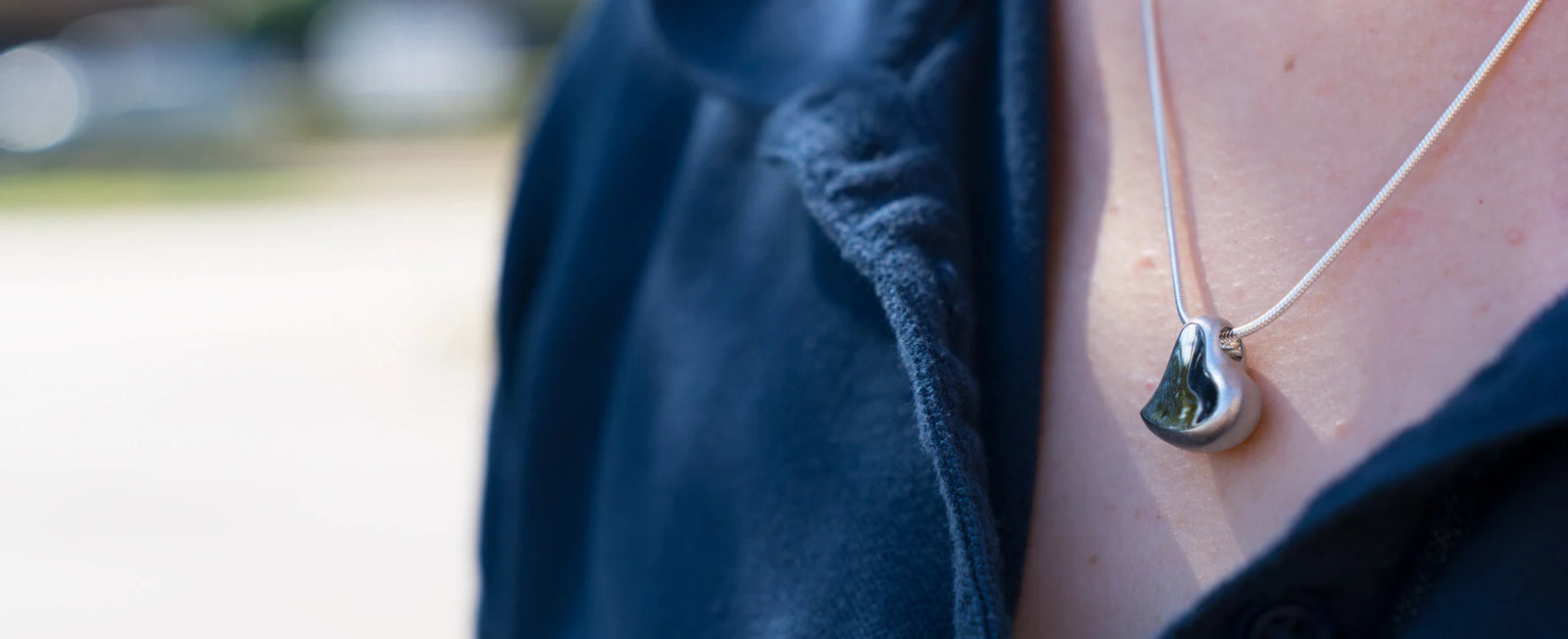
A physical memorial can support the day when it already feels natural in the home. A framed photo, a handwritten note, a small keepsake, or a tealight cremation urn can create a quiet place to pause. If you light a candle, place it on a stable, heat-safe surface and follow the product’s care instructions. A flameless candle may be more practical around children, pets, crowded tables, or dried decorations.
Product choices should follow the family’s comfort rather than set the tone for it. In a grief-support setting, the most useful next step may simply be related reading, such as writing a letter to someone you miss. A memorial object is optional. The act of remembering is not.
A Thanksgiving tribute does not need a formal closing. After a toast, story, or moment of quiet, the meal can continue. That ordinary transition can be reassuring. It allows remembrance to sit within family life instead of separating it from the rest of the day.
Later, notice what felt supportive and what felt too demanding. The family may want to repeat the gesture next year, revise it, or do something entirely different. Traditions can change as grief and family circumstances change.
The most respectful remembrance is rarely the most elaborate one. It is the one that allows a loved person to be named without asking anyone to hide what the day feels like.
How can we honor someone at Thanksgiving without making everyone sad?
Choose a brief, familiar gesture such as serving a recipe, displaying a photograph, or including one sentence in a toast. Discuss it beforehand and do not require each guest to speak. Sadness may still be present, but the remembrance does not have to dominate the gathering.
Is leaving an empty chair at Thanksgiving a good idea?
An empty chair is meaningful for some families and painful for others. Ask the people closest to the loss before arranging one. A photograph on a side table or a favorite dish may offer a less intense alternative.
What can children do to remember someone at Thanksgiving?
Children can draw a picture, help prepare a recipe, choose a photograph, write a short note, or place a leaf or flower near a memorial. Give them a choice and avoid requiring them to explain their feelings in front of the group.
What if one family member does not want a remembrance activity?
Do not force a shared activity. Choose a smaller acknowledgement that does not require participation, or keep the remembrance private. Different comfort levels can coexist without deciding whose approach to grief is correct.
Can we change the tradition next year?
Yes. A remembrance ritual is not a permanent obligation. Families can repeat, simplify, replace, or pause it as their needs change.