Your Cart is Empty


Table of contents
After the loss of a loved one, families often face important decisions about how to honor and remember them. One common question is whether cremated remains can be shared among family members. The answer is yes, it is completely okay to divide ashes after cremation. Many families choose to share cremated remains using keepsake urns, cremation jewelry, or multiple memorials. Dividing ashes is a personal decision and is widely considered a respectful way to honor someone's memory.
Whether you're considering keepsake urns for family members or simply exploring your options, this guide explains why families divide ashes, how to do it respectfully, and what memorial choices are available.
Yes, cremated ashes can be safely divided.
There are no universal rules prohibiting families from splitting cremated remains, and it is a common practice throughout the world. Many funeral homes, crematories, and memorial providers regularly assist families who wish to divide ashes among loved ones.
Every family is different, and there are many reasons people choose to share cremated remains.
Common reasons include:
Dividing ashes allows everyone to remember and honor their loved one in a way that feels meaningful to them.
One of the most common concerns is whether sharing ashes might somehow be disrespectful. In reality, there is no universally correct answer.
What matters most is the intention behind the decision.
For many people, dividing ashes is not about separating a loved one. It's about creating opportunities for remembrance and connection.
Families often feel that sharing ashes:
Respect comes from the love and care with which memorial decisions are madenot from whether ashes remain together or are divided.
Every family's situation is unique, but several reasons are especially common.
Many families choose to divide ashes among:
This allows each person to maintain a personal memorial and feel connected to the loved one's memory.
Families sometimes wish to create more than one memorial.
Examples include:
Dividing ashes makes it possible to honor a loved one in multiple meaningful ways.
Many people find comfort in keeping a small portion of ashes nearby.
Popular options include:
These memorials provide a tangible reminder of a cherished relationship.
There is no official guideline for how much cremated remains each person should receive.
The amount depends entirely on:
Some families choose:
The right amount is simply the amount that feels meaningful to those involved.
There are several respectful ways to share cremated remains.
Keepsake urns are one of the most popular options.
These small urns are specifically designed for sharing ashes among family members.
Benefits include:
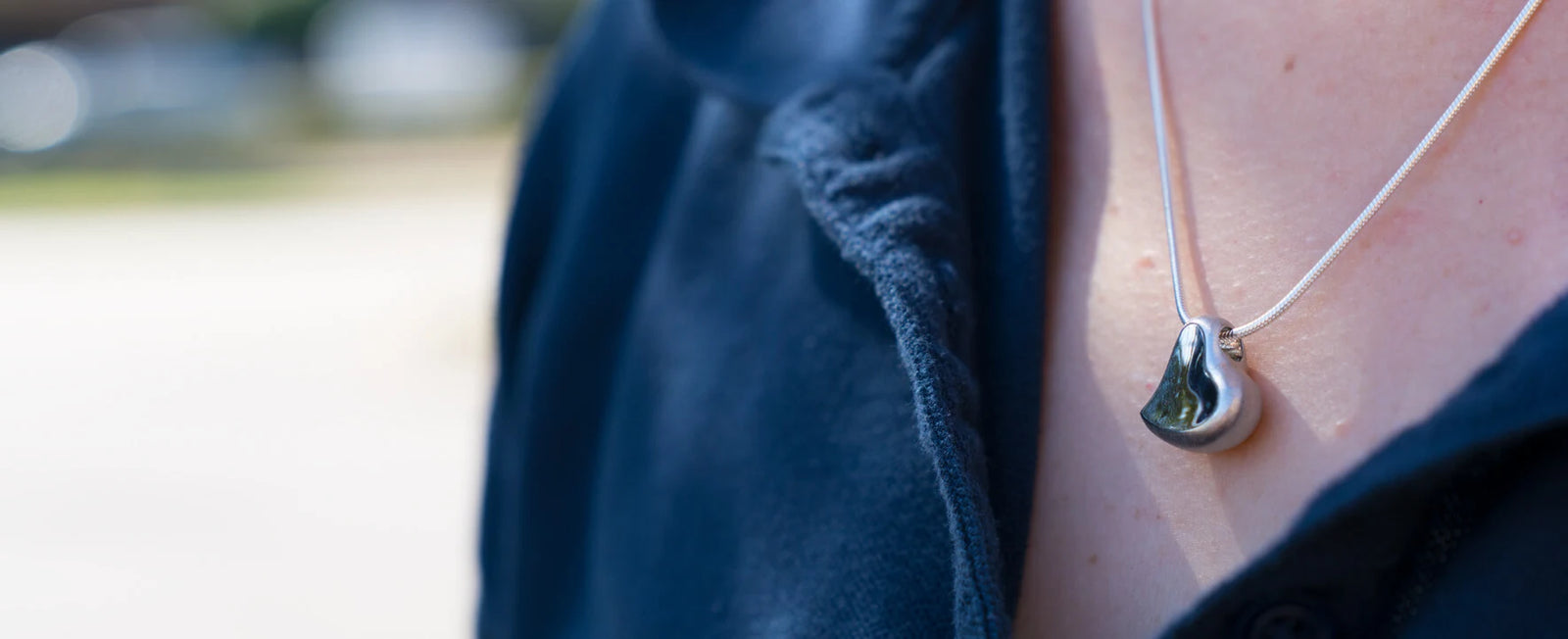
Cremation jewelry holds a small symbolic portion of ashes.
Popular options include:
Many families pair cremation jewelry with keepsake urns for both display and daily remembrance.
Although less common, some families choose to divide ashes into multiple larger urns. This option may be appropriate when only a few family members are involved.
Another popular choice is to divide ashes between memorials and scattering ceremonies.
For example:
This approach allows families to honor multiple wishes simultaneously.
Dividing ashes is generally straightforward, but care should be taken during the process.
Before beginning, determine:
Planning ahead helps ensure each memorial receives the desired portion.
Helpful tools include:
Working carefully helps prevent spills and makes the process easier.
Once ashes have been transferred:
Proper sealing helps preserve each memorial over time.
Religious and cultural perspectives vary widely. Some traditions prefer cremated remains to remain together. Others allow or even encourage sharing ashes among family members.
Because beliefs differ, families should consider:
Memorial decisions are deeply personal, and there is rarely a one-size-fits-all approach.
Disagreements about memorial planning are not uncommon.
Families may have different opinions regarding:
When disagreements arise, it can help to:
Keepsake urns often provide a practical solution by allowing several family members to participate in remembrance.
Both approaches are common and equally valid.
| Option | Benefits |
|
Divide Ashes |
Multiple memorials, family sharing, flexibility |
| Keep Ashes Together |
Single memorial, simplicity, traditional approach |
Neither choice is more respectful than the other.
The best decision is the one that aligns with your family's values, wishes, and memorial goals.
Yes. Many families divide ashes so multiple loved ones can keep a personal memorial.
No. Dividing ashes is widely accepted and can be a meaningful way to honor someone's memory.
Yes. Cremated remains can be divided among keepsake urns, full-size urns, and cremation jewelry.
Most keepsake urns hold between 3 and 50 cubic inches of ashes, depending on their size.
Yes. Many families choose to scatter a portion of ashes while keeping the remainder in urns or memorial jewelry.
If you decide to divide ashes, it's helpful to plan ahead.
Consider:
Taking time to discuss these decisions can help ensure everyone feels included and respected.
There is no single "correct" memorial choice.
Some families find comfort in keeping ashes together, while others find meaning in sharing them among loved ones. Both approaches are thoughtful and respectful.
The most important thing is creating a memorial that reflects the life, relationships, and legacy of the person being remembered. For many families, shared remembrance strengthens connections across generations and provides comfort long after the funeral or memorial service has ended.
Whether you're planning to share ashes among family members or create multiple memorials, there are many meaningful ways to honor a loved one.
At GetUrns, you'll find thoughtfully designed memorial products that help families create personal tributes and preserve cherished memories for years to come.
Explore:
Find the memorial option that feels right for your family and honors your loved one's legacy with care and dignity.

PRODUCT TITLE

PRODUCT TITLE

PRODUCT TITLE