Your Cart is Empty


Losing a pet after sharing many years of companionship is a heart-wrenching experience. Whether your pet was your confidant, exercise buddy, or constant source of joy, their absence leaves a void that is deeply felt. The grief experienced after the loss of a pet is real, valid, and often overwhelming. It's a pain that many people don’t fully understand unless they've experienced it themselves. In this blog, we’ll explore why pet loss hurts so deeply and provide ways to navigate through the emotional journey of grief.
Pets are often seen as more than just animals; they are family members, best friends, and emotional anchors. They offer unconditional love and a sense of comfort that few human relationships can match. Unlike other relationships, the bond between humans and pets is unique. Pets rely on us for care, love, and protection, and in return, they give us joy, companionship, and unwavering loyalty. When a longtime pet passes away, it's like losing a member of the family, and this type of loss cuts deep.
Grieving the loss of a beloved pet follows a similar pattern to the grief experienced after the death of a human loved one. The classic stages of grief, denial, anger, bargaining, depression, and acceptance, are all part of the journey. However, grief in the context of losing a pet can look different.
It’s important to note that grief is non-linear. These stages may overlap, repeat, or occur in a different order. Everyone’s grief journey is unique.
The emotional effects of losing a pet can be profound. Sadness, guilt, and loneliness are common feelings experienced by those who have lost a pet. In some cases, there may even be a sense of relief if your pet had been suffering from a long-term illness. This feeling is completely normal but can lead to confusion, as you might feel guilty for experiencing relief.
The physical toll of grief can also be significant. Many people experience fatigue, loss of appetite, or difficulty sleeping. These symptoms are common reactions to loss and can interfere with daily life. It's important to normalize these reactions and understand that they are a part of the healing journey.
Grieving the loss of a pet requires time, but there are healthy ways to cope with the pain. Talking with friends who understand your sorrow or joining a pet loss support group can provide comfort. Writing letters to your pet or journaling your feelings can also help in processing your emotions.
Creating a memory box or a tribute to your pet can be a meaningful way to honor their life. If you feel that your grief is overwhelming and affecting your daily life, seeking professional help can guide you through the healing process.

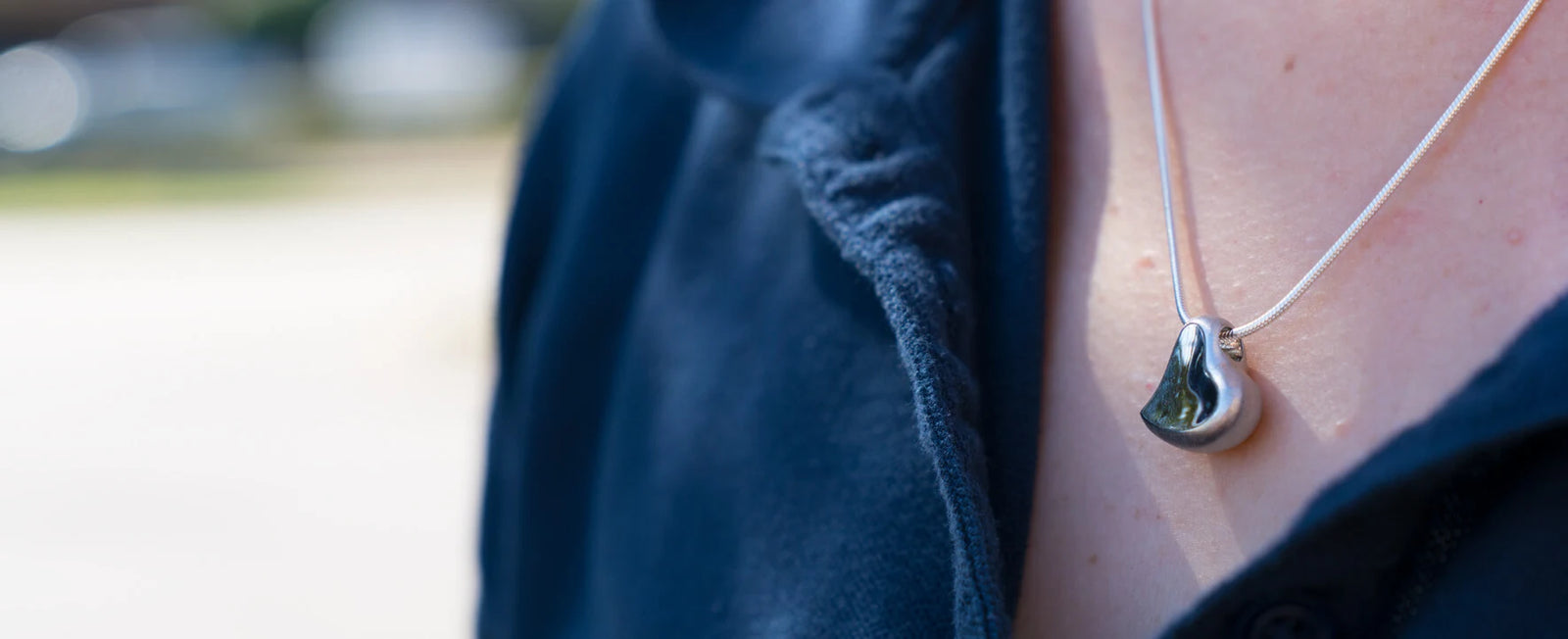
A personalized memorial is one of the most meaningful ways to cherish the memory of your pet.Pet cremation urns come in a variety of shapes and sizes, many of which can be customized with your pet's name or likeness, allowing you to create a lasting tribute.Pet ashes jewelry, includingdog cremation jewelry orcat cremation urns, offers a beautiful way to keep your pet’s memory close. Many pet owners choose animal ashes jewelry to carry a small portion of their pet’s ashes with them, keeping a part of their beloved companion always nearby.
In addition to these keepsakes, there are many heartfelt ways to honor your pet's memory. Consider planting a tree or creating a garden in their name. This living tribute can be a beautiful reminder of the joy they brought to your life, offering a place for reflection and peace. You could also create a photo album or scrapbook filled with cherished memories, allowing you to relive special moments shared with your beloved companion.
A remembrance ceremony with close family or friends can be a comforting way to celebrate your pet’s life and the bond you shared. This intimate gathering provides a space for collective mourning, shared stories, and healing.
Incorporating everyday rituals into your routine can also help keep your pet’s spirit alive. Simple acts, like lighting a candle in their honor, can provide a moment of reflection and comfort. You might also choose to celebrate significant dates, such as your pet’s “gotcha day”, by remembering their quirks, favorite activities, or the joy they brought to your life. These rituals help maintain the connection to your pet while navigating the grieving process.
Moving forward after the loss of a pet doesn’t mean forgetting them. It means finding peace while still holding onto the love and memories shared. As time passes, your grief may lessen, but the bond you had with your pet will never truly fade. Embrace the memories, and allow yourself to find new joys in life, even if it feels difficult at first.
It's important to remember that it's okay to seek new pets when the time feels right. New pets can bring their own unique energy and love into your life, while still respecting the memory of your beloved companion.
The grief you feel after losing your pet is a testament to the deep love and connection you shared. While the pain of their absence may never fully disappear, in time, the memories of your pet will provide comfort and healing. The bond you had with your pet will always be a part of you. May you find solace in the beautiful moments you shared and in the knowledge that your pet’s spirit will continue to live in your heart.