Your Cart is Empty


Jamie Anderson
When a loved one passes, there are countless decisions to make; each one tender, emotional, and deeply personal. Among the most important: How do you want to say goodbye? For many families, this choice often comes down to two powerful options: a traditional funeral or a more modern celebration of life.
Both ceremonies offer comfort, reflection, and a space for mourning. But they serve different needs and reflect different tones of remembrance. Understanding the differences can help you choose the path that feels right for your loved one, and you.
Let’s take a closer look at what each ceremony offers and how to decide which is right for you.

Funerals are steeped in tradition. They offer a structured, time-honored way to say goodbye, usually within a few days of a person's passing. One of the most defining elements of a funeral is the presence of the body. Whether in a casket or prepared for viewing, this physical presence can help families find closure and allow for a final farewell.
Funerals are often held in religious or spiritual settings, churches, synagogues, and mosques and are typically led by clergy or a religious figure. They may involve prayers, hymns, scripture readings, or sacred rituals specific to the deceased’s faith or culture. The tone is formal, solemn, and respectful.
Key Features of a Traditional Funeral:
For families with strong cultural or religious roots, or for those who find comfort in tradition, a funeral can offer a sense of peace, order, and sacredness during an emotionally chaotic time.

If funerals are rooted in tradition, celebrations of life are rooted in personality. These ceremonies focus on honoring how someone lived, rather than mourning their passing away. They're often held days, weeks, or even months after a passing, giving loved ones time to plan something truly reflective of the person they’ve lost.
There’s no “one-size-fits-all” approach to a celebration of life. It can be light-hearted or deeply emotional, sometimes both in the same moment. Laughter is welcome. Stories are encouraged. Bright colors may replace black clothing. The location? That can be just about anywhere, a backyard, a favorite beach, a cozy living room, or even a local art gallery.
Key Features of a Celebration of Life:
Many families opt for a celebration of life when their loved one specifically requested something more uplifting. Or, when they feel that a traditional funeral wouldn’t quite capture the essence of the person they’ve lost.
If you're planning a celebration of life, here are three thoughtful, real-world examples with specific, actionable details to help you design something deeply meaningful.
1. Outdoor Gathering with a Memory Tree
A local park or garden
Choose a peaceful spot in nature and create a “Memory Tree.” Invite guests to hang handwritten notes or photos on its branches. Serve picnic-style food, and favorites of your loved one, and consider hiring a local acoustic musician to play softly in the background. As the day ends, biodegradable lanterns can be released in their honor.
2. Themed Celebration at a Community Center
A decorated hall or familiar indoor space
Fill the room with their favorite colors and memories. Set up themed tables, travel mementos, family recipes, or beloved hobbies. Play a photo slideshow with their go-to music and encourage guests to dress in a way that reflects their personality, whether it’s sports jerseys or bold colors. An open mic invites shared stories and heartfelt toasts.
3. Ocean Farewell Ceremony
A quiet beach at sunrise or sunset
Gather barefoot in the sand. You could offer each guest a shell or flower to release into the ocean after sharing a thought or simply reflecting in silence. A soft handpan or guitar melody adds a peaceful touch. Close with a gentle toast as the waves roll in and the light shifts; calm, symbolic, and deeply moving.
Absolutely. That’s one of the most common questions families ask, and the answer offers flexibility.
With funerals, a viewing is often part of the ceremony, especially if the body has been embalmed. This is usually done before the service and offers guests a chance to say a final goodbye. Even if a person has chosen cremation, embalming and viewing can still be arranged before cremation takes place.
In a celebration of life, the body is not typically present, especially if cremation has already occurred. Instead, families may choose to display the urn, photos, or meaningful mementos, symbols of the person’s presence.
If cremation is part of your plans, you can still make the ceremony feel personal and meaningful. At GetUrns, we offer memorial urns, keepsakes, and candle urns that blend seamlessly into the setting, making them feel less like a symbol of loss and more like a tribute to life.
There’s no “correct” answer; just the one that resonates most with your heart, values, and the wishes of your loved one.
Consider a traditional funeral if:
Consider a celebration of life if:
Sometimes, families blend the two. A funeral may be followed by a separate celebration of life weeks later. Or a celebration may include spiritual elements for those who want the best of both worlds.
It’s easy to feel overwhelmed by the logistics of planning a memorial. But remember, this is also a moment for you. To reflect. To heal. To honor the love and life you shared.
Whether you choose a traditional funeral, a celebration of life, or something uniquely your own, the most important thing is that it feels true. True to their memory. True to your needs. True to the story you want to tell. And whatever path you choose, know this: there is no wrong way to say goodbye. Only love, shared in a way that feels right.
Comments will be approved before showing up.

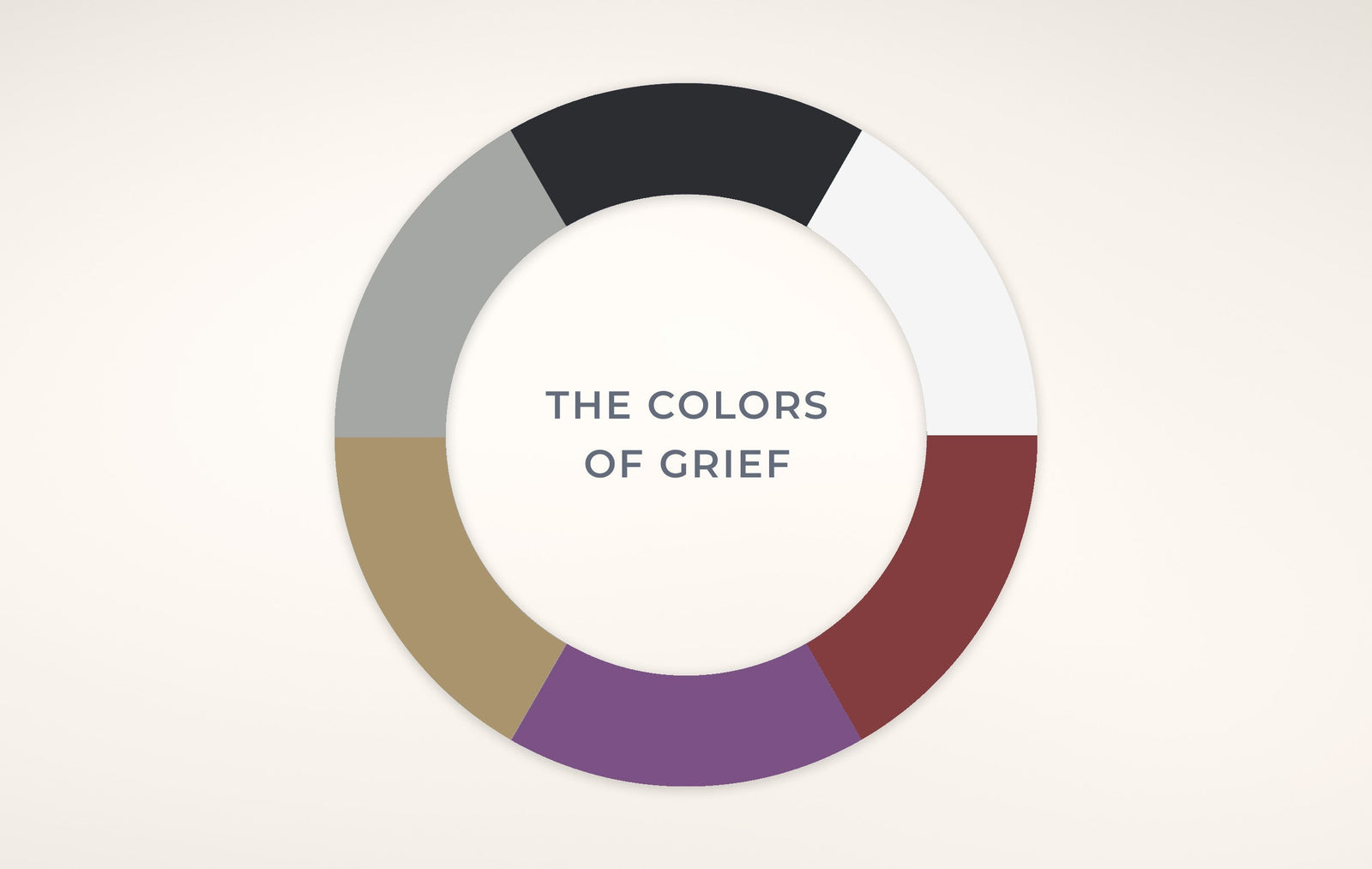
Mourning is a part of loss, and even when we're prepared for the loss, there's no way to predict how we'll mourn. Some people are resilient, while others will get lost in a sea of depression and grief when mourning. Colors represent mourning across the world. Just as you wear certain colors during a funeral, many choose certain cremation jewelry or pendants for ashes based on the colors of mourning.